FAQs of FRP DRAINAGE GRATING HEAVY DUTY:
Q: How is the FRP drainage grating installed in a heavy-duty application?
A: The FRP drainage grating can be installed by bolting or fastening directly to existing support structures. This method offers secure placement for high-traffic areas, and the process is straightforward, minimizing downtime during installation.
Q: What benefits does the anti-slip surface provide in wet or oily environments?
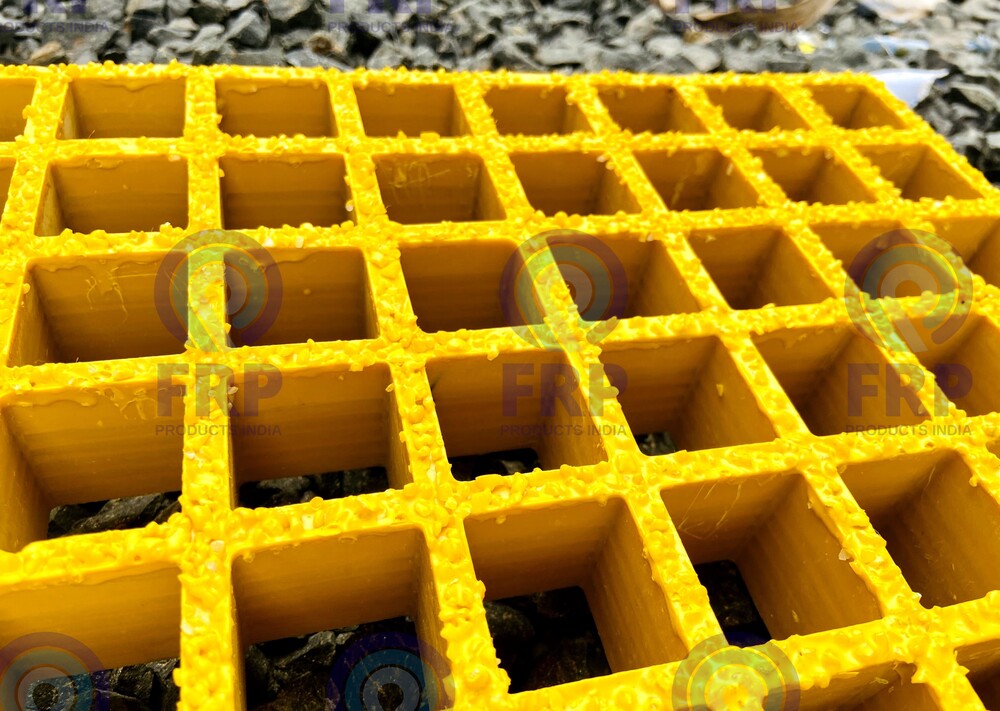
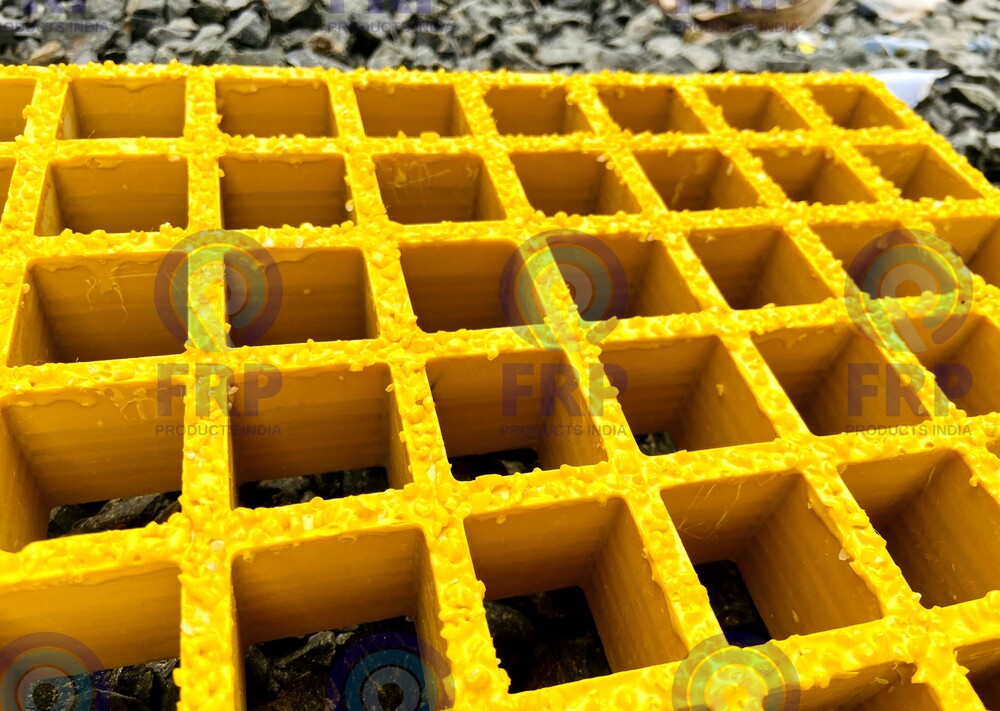
A: The anti-slip surface enhances pedestrian and vehicular safety by reducing the likelihood of slips and accidents, even when the surface is exposed to water, oil, or other hazardous substances. This makes it a superior choice for drainage areas and industrial walkways.
Q: When is it ideal to use FRP grating instead of traditional metal grating?
A: FRP grating is ideal when you require corrosion resistance, fire retardance, and reduced maintenanceespecially in environments exposed to chemicals, water, or fluctuating temperatures. Its lightweight nature and high impact strength make it preferable over metal in many heavy-duty applications.
Q: Where can the FRP heavy-duty drainage grating be used?
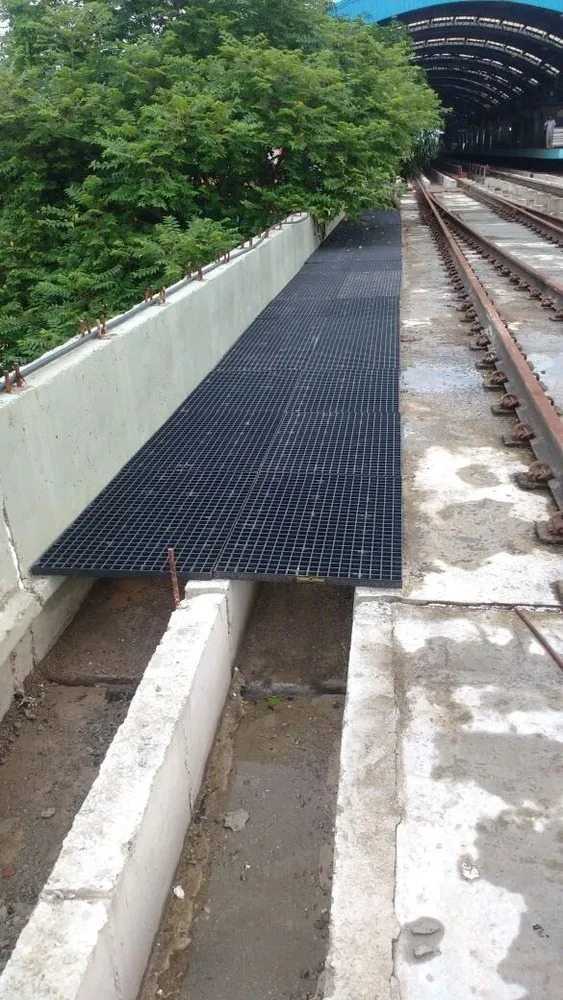
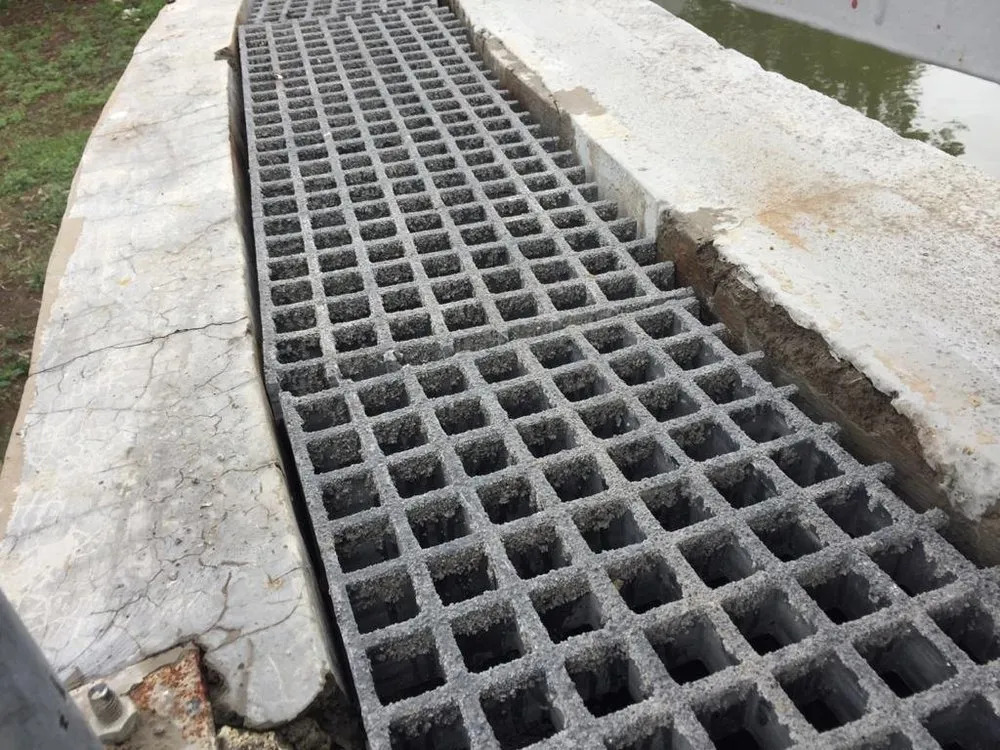
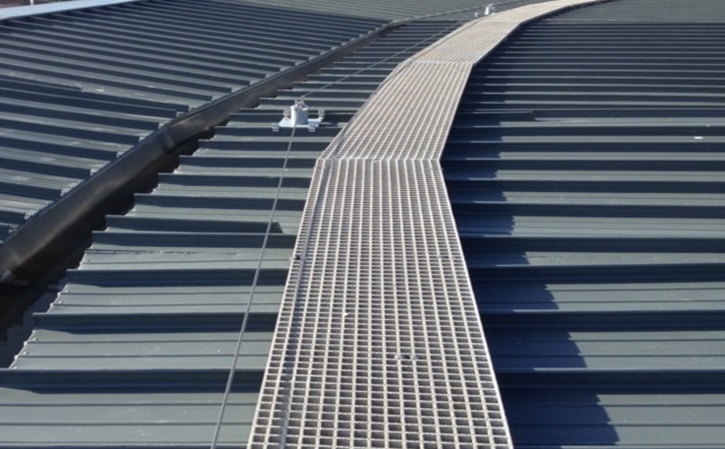
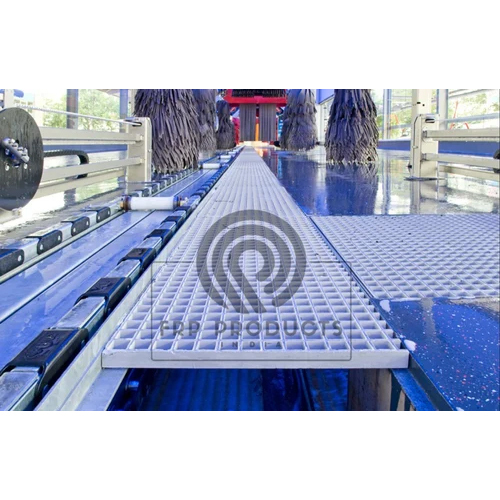
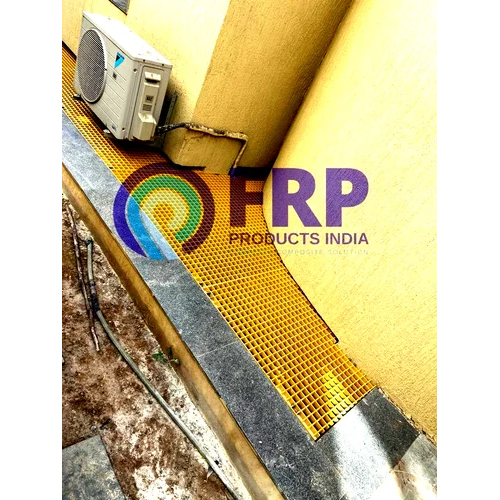
A: This product is suitable for industrial, commercial, and municipal drainage systems, trench covers, walkways, and platforms. Its robust design supports heavy vehicular traffic, making it excellent for parking lots, factories, and roadways.
Q: What is the typical lifespan and maintenance requirement for this grating?
A: The FRP drainage grating typically lasts over 25 years due to its rust-free, UV resistant, and chemical-resistant construction. Maintenance is minimalroutine cleaning with water or mild detergents is generally all that is needed to keep it in optimal condition.
Q: How does the grating perform under extreme temperatures?
A: With an operational temperature range from -40C to +120C, the FRP grating maintains its structural integrity and load-bearing capacity under both freezing and high-heat conditions, making it reliable for diverse climates.