About FRP CABLE TRAY
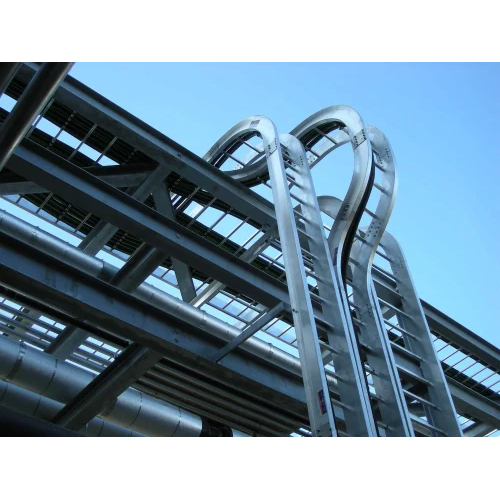
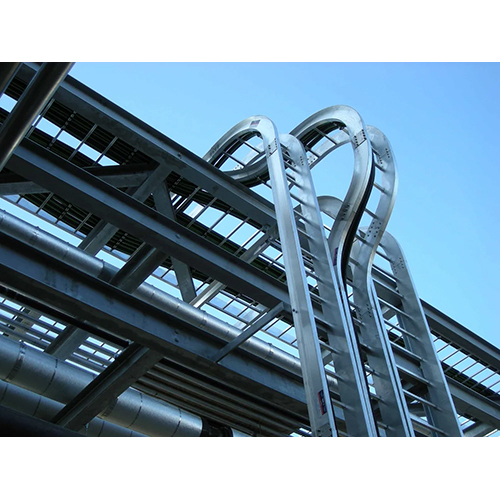
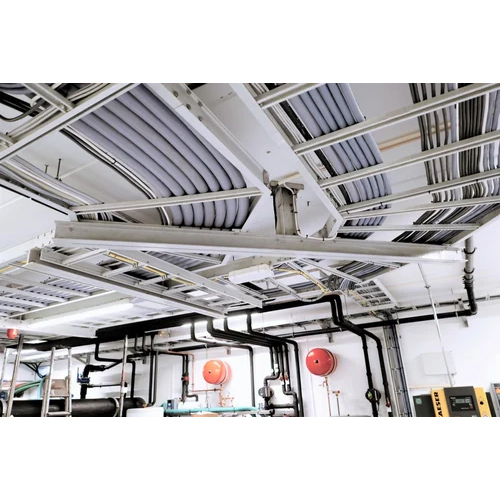
A Cable Tray is a structural system used to support and organize electrical cables and wires in industrial, commercial, and infrastructure projects. It provides a safe, efficient, and accessible pathway for power cables, control cables, and communication wiring.
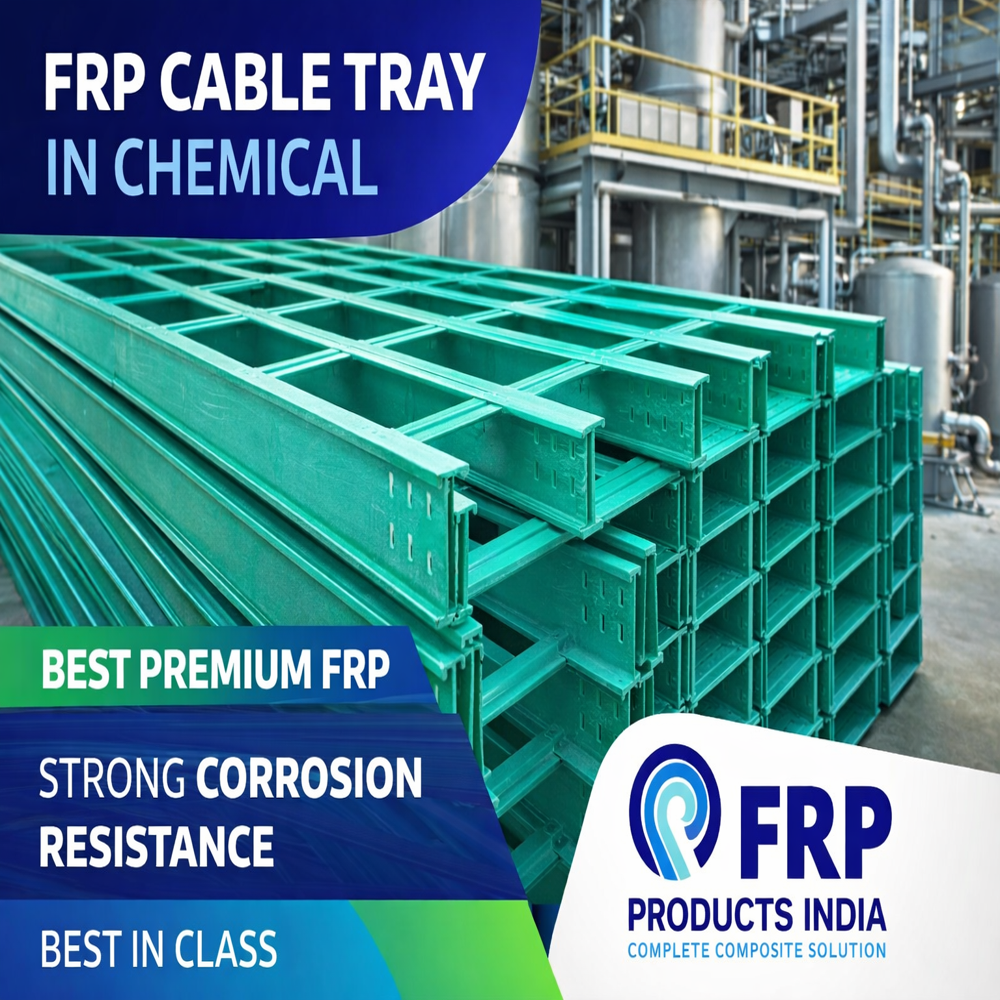
Durability and Corrosion ResistanceDesigned for harsh environments, FRP Cable Trays are highly resistant to acids, alkalis, salts, and chemicals, ensuring a longer service life. Their smooth, anti-corrosive surface protects sensitive electrical infrastructure and reduces maintenance needs in industrial and commercial setups.
Excellent Electrical and Fire SafetyThese cable trays are engineered with high dielectric strength and non-magnetic materials, making them safe for electrical applications. With outstanding fire resistance and self-extinguishing properties, FRP trays comply with IS:6746, ASTM D635, and NEMA FG-1 standards, guaranteeing enhanced fire safety.
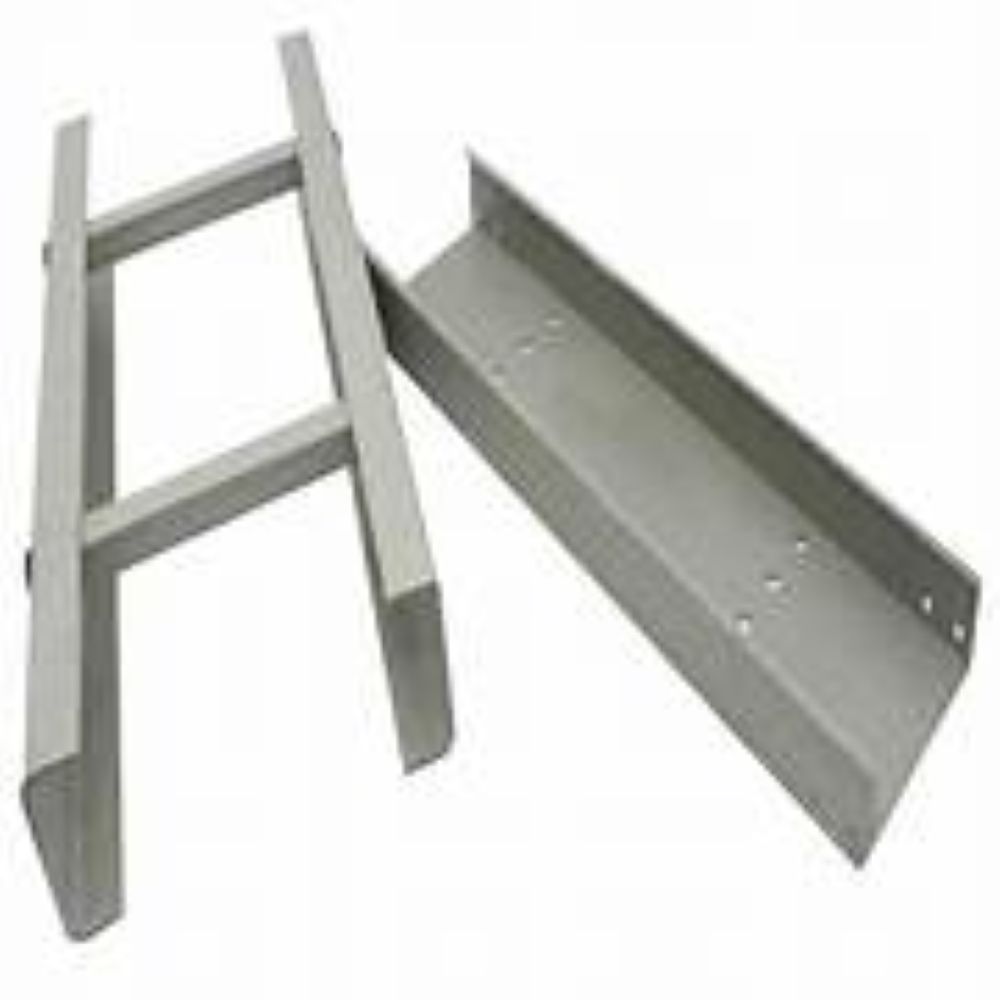
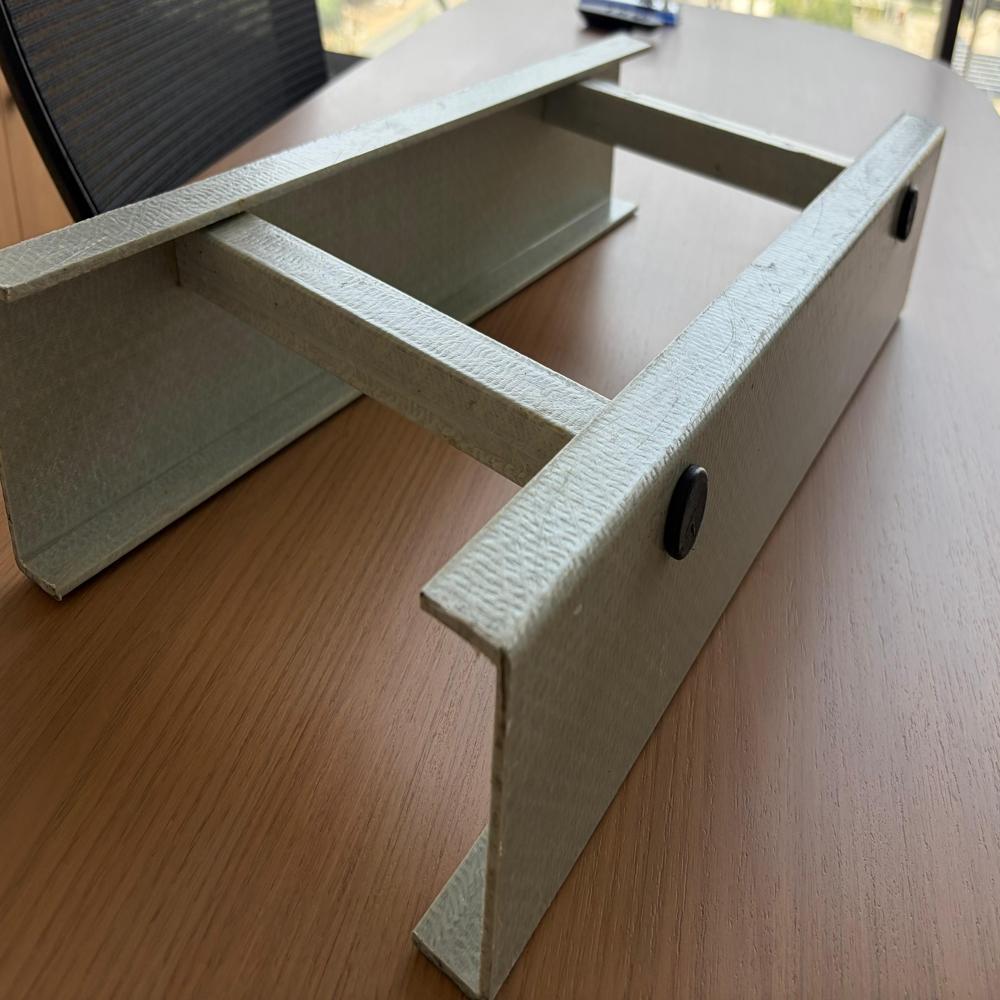
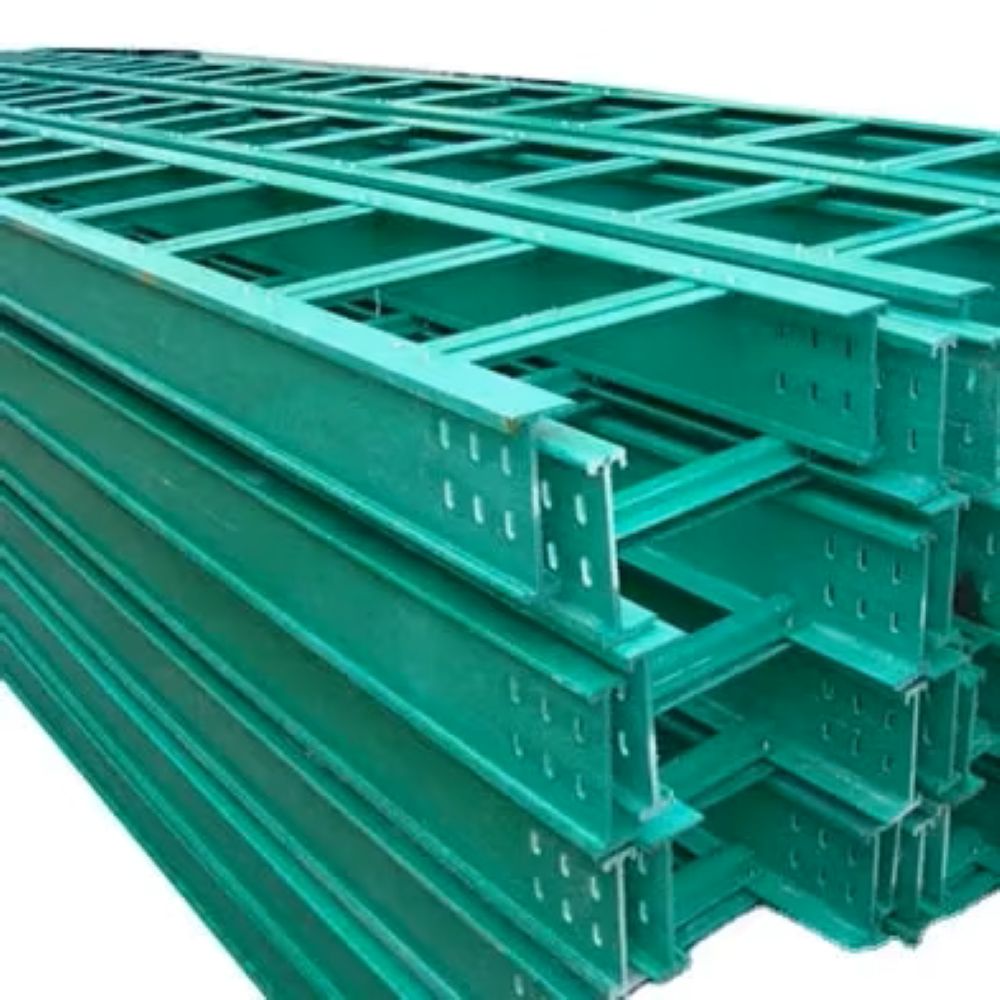
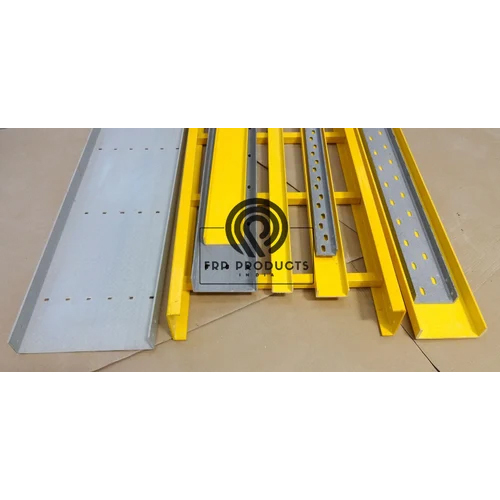
Versatile Design and Easy InstallationAvailable in ventilated and solid bottom variants, FRP Cable Trays accommodate diverse cable management needs. Lightweight construction, pre-drilled holes, and coupler plates streamline the installation process, reducing time, labor, and associated costs, especially in large-scale projects.
FAQ's of FRP CABLE TRAY:
Q: How does the FRP Cable Tray ensure fire safety in industrial environments?
A: The FRP Cable Tray offers excellent fire resistance and self-extinguishing properties, conforming to IS:6746 and ASTM D635 standards. This means it does not propagate flames, providing enhanced safety for electrical installations in industries with high fire risk.
Q: What are the main benefits of using FRP Cable Trays over traditional metal trays?
A: FRP Cable Trays are lightweight, non-conductive, corrosion-resistant, and more durable against harsh chemicals compared to metal trays. They also have a high level of electrical insulation and do not rust, significantly reducing maintenance and replacement needs.
Q: When should FRP Cable Trays be installed outdoors?
A: FRP Cable Trays feature high UV resistance and a wide operating temperature range (-40C to +120C), making them ideal for outdoor installations in solar projects, power plants, and infrastructure exposed to harsh weather conditions.
Q: Where are FRP Cable Trays commonly used?
A: These trays are widely used in industrial plants, power plants, solar projects, commercial buildings, and chemical or oil industries due to their durability and resistance to environmental factors.
Q: What is the installation process for FRP Cable Trays?
A: Installation is straightforward thanks to lightweight components, pre-drilled holes, and coupler plates for easy joining. This design simplifies alignment and connection, minimizing installation time and labor costs.
Q: How do ventilated and solid bottom types enhance cable management?
A: Ventilated trays allow better air circulation and heat dissipation around the cables, while solid bottom trays provide extra protection from falling debris. Both types can be selected based on the specific requirements of the installation environment.
Q: What customization options are available for FRP Cable Trays?
A: FRP Cable Trays come in standard lengths of 2500 mm, widths from 100 mm to 600 mm, side rail heights of 40 mm to 150 mm, and are available in colors like yellow or custom shades. Dimensions can be tailored to meet unique project requirements.





 Send Inquiry


 Send Inquiry


